Author: Tailwind

  • The FAA switches on its first digital towers

    The FAA switches on its first digital towers

    Two small US airports now have air traffic control without a classic glass-topped tower. On 6 November 2026 the FAA announced that digital towers are up and running at Bartow Executive Airport in Florida and Kenai Municipal Airport in Alaska.

    Instead of looking out of a window, controllers watch a 360-degree picture put together from high-definition cameras, sensors and screens. Infrared cameras, aircraft tags and microphones can be added on top. Bartow has been using its system since September.

    The idea isn’t brand new. Leesburg in Virginia trialled a camera-based remote tower from 2018, but the project ended in June 2023 when the supplier, Saab, pulled out of the approval process. This time the FAA has given its first system design approval to Frequentis and its smartVISION system, for now covering single-runway airports in Class D airspace.

    Five more airports are next on the list, paid for from a 50 million dollar budget: Winter Haven and Venice in Florida, Montgomery County Airpark in Maryland, Johnston Regional in North Carolina and Durango-La Plata County in Colorado.

    If it all works as planned, pilots on the radio won’t notice much. The voice answering them just comes from someone sitting in front of a very big screen.

    Source: AVweb (Matt Ryan), 6 November 2026

    Photo (Kenai Municipal Airport from the air): FAA Alaska Region / Wikimedia Commons, public domain
  • AutoFlight flies five eVTOLs in an autonomous formation

    AutoFlight flies five eVTOLs in an autonomous formation

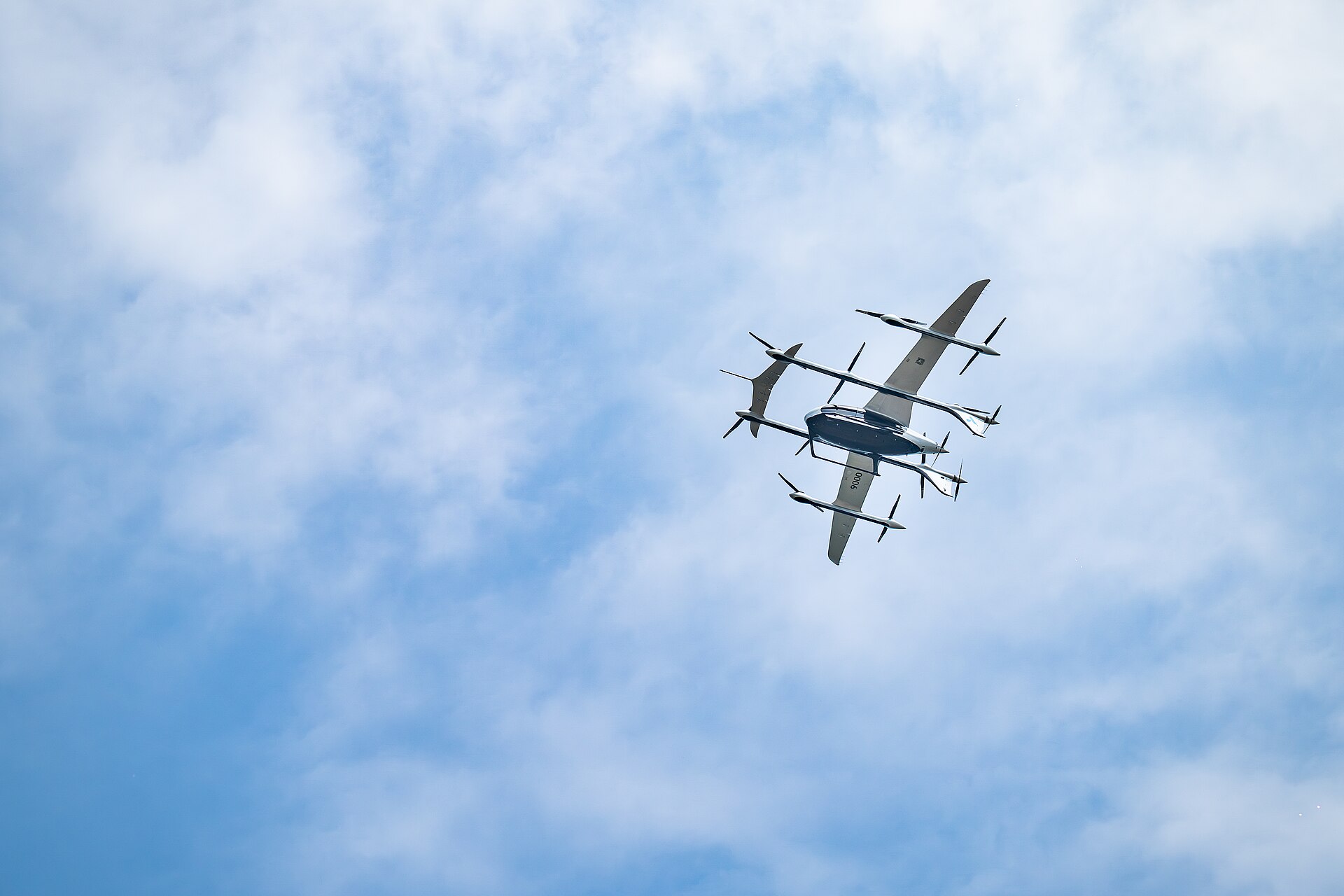
    AutoFlight has flown five electric VTOL aircraft together in one formation, which the company calls a world first. The group mixed two weight classes: one 5-ton-class V5000 Matrix in the lead and four 2-ton-class eVTOLs behind it.

    The flight lasted 47 minutes, and the lead V5000 covered more than 133 km. It was fully autonomous, with no manual input from start to finish.

    AutoFlight says this marks a step from testing single aircraft to running a whole fleet. The company didn’t say where the flight took place.

    For those of us who still like doing the flying ourselves, it’s a strange thought. It’s an impressive one, though.

    Source: AviationNews.eu (Rob Vogelaar), 6 November 2026

    Photo (an AutoFlight eVTOL on a test flight): Adil Ospantayev / Wikimedia Commons, CC BY 4.0

  • EASA starts a safety magazine for GA pilots

    EASA starts a safety magazine for GA pilots

    EASA has launched a free safety magazine for general aviation, called The Hangar Conversation. It’s written for pilots, instructors and flying clubs across Europe, and the first issue came out on 15 October 2026.

    The topics are the ones every club pilot knows from the clubhouse after flying: human factors, fatigue, situational awareness, weather, and the pressure to fly when you probably shouldn’t. There’s also a piece on collision avoidance, lessons from real accidents, and briefing cards you can actually use.

    The editorial is by Wendell Lynch, who handles safety promotion at EASA. His point is that safety isn’t one big rule but lots of small decisions pilots make every day. Readers are invited to send in their own stories, photos and feedback for later issues.

    You can download the first issue for free from the EASA website. It’s a good read for a rainy weekend when nobody’s flying anyway.

    Source: Flying In Ireland (Mark Dwyer), 5 November 2026

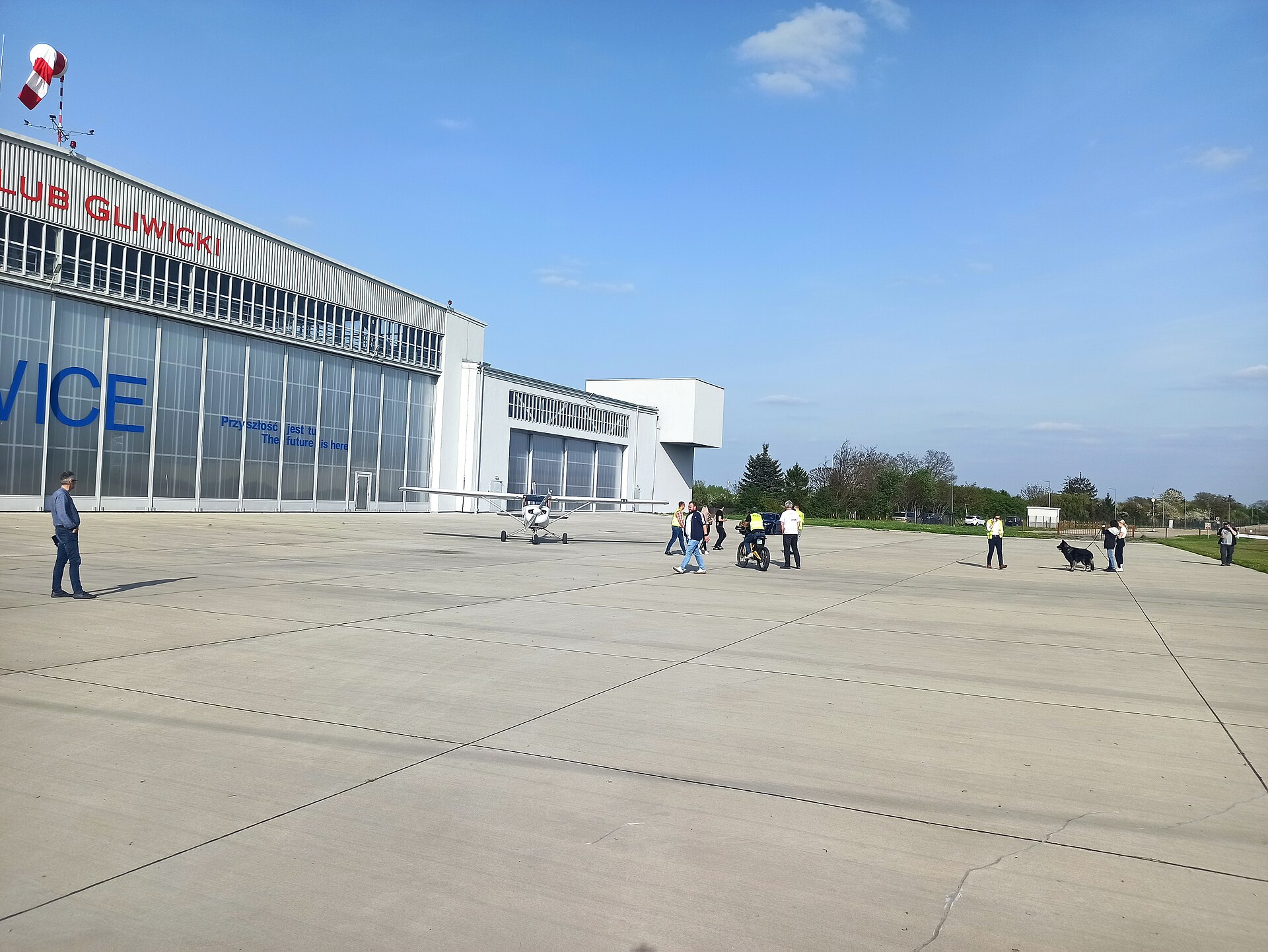
    Photo (an aeroclub hangar in Gliwice, Poland): Wlodek k1 / Wikimedia Commons, CC BY-SA 4.0

  • Eve signs a deal for electric air taxis in southern Brazil

    Eve signs a deal for electric air taxis in southern Brazil

    Eve Air Mobility and FlyBIS Aviation have signed a binding agreement for up to 12 of Eve’s electric VTOL aircraft: two firm orders and purchase rights for ten more. It builds on a letter of intent from 2022.

    FlyBIS wants to fly them in southern Brazil, in the states of Santa Catarina and Rio Grande do Sul. The plan links the coast at Navegantes, Balneário Camboriú and Florianópolis with the mountain towns of Gramado and Bento Gonçalves.

    Neither company gave a price or a delivery date.

    Beach in the morning, mountains by lunchtime, and no traffic jam in between. If it works, that’s a pretty good sales pitch.

    Source: AviationNews.eu (Jeroen Vogelaar), 4 November 2026

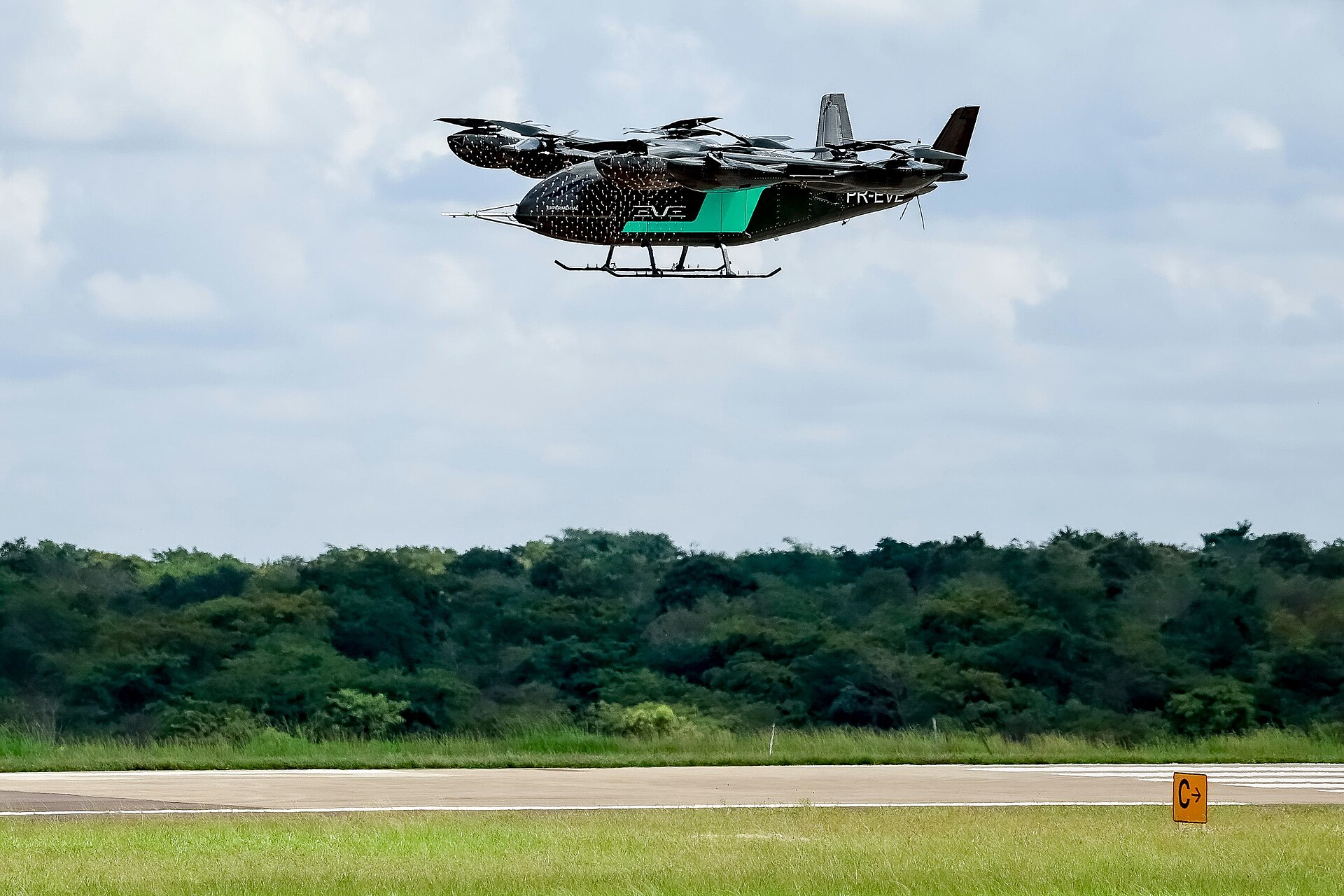
    Photo (the Eve eVTOL prototype): Ricardo Stuckert / PR / Wikimedia Commons, CC BY-SA 4.0

  • Murphy Aircraft closes its doors

    Murphy Aircraft closes its doors

    Bad news for kit builders: Murphy Aircraft, the Canadian company behind the Rebel, the Moose and the Renegade, has stopped production after becoming insolvent.

    Darryl Murphy founded the company in 1985 in British Columbia, and over the years it sold more than 2,000 kits. The Elite and the Radical were Murphy designs too. In 2022 the company was bought by Duofu Group, a conglomerate based in Beijing that has reportedly been short of cash.

    The end was not pretty. After a dispute over unpaid rent, what was left of the factory in Chilliwack went under the hammer on 22 October 2026. About 170 lots were sold, including a laser cutter, a 400-ton press brake, aluminium stock and an unfinished kit aircraft.

    The big worry is for owners and builders. Nobody has said yet what will happen to open orders, spare parts or technical support, and it isn’t clear who owns the designs now. There’s no sign so far of another company picking them up.

    If you’re building a Murphy right now, the owners’ community is about to become your best friend.

    Source: AVweb (Matt Ryan), 30 October 2026

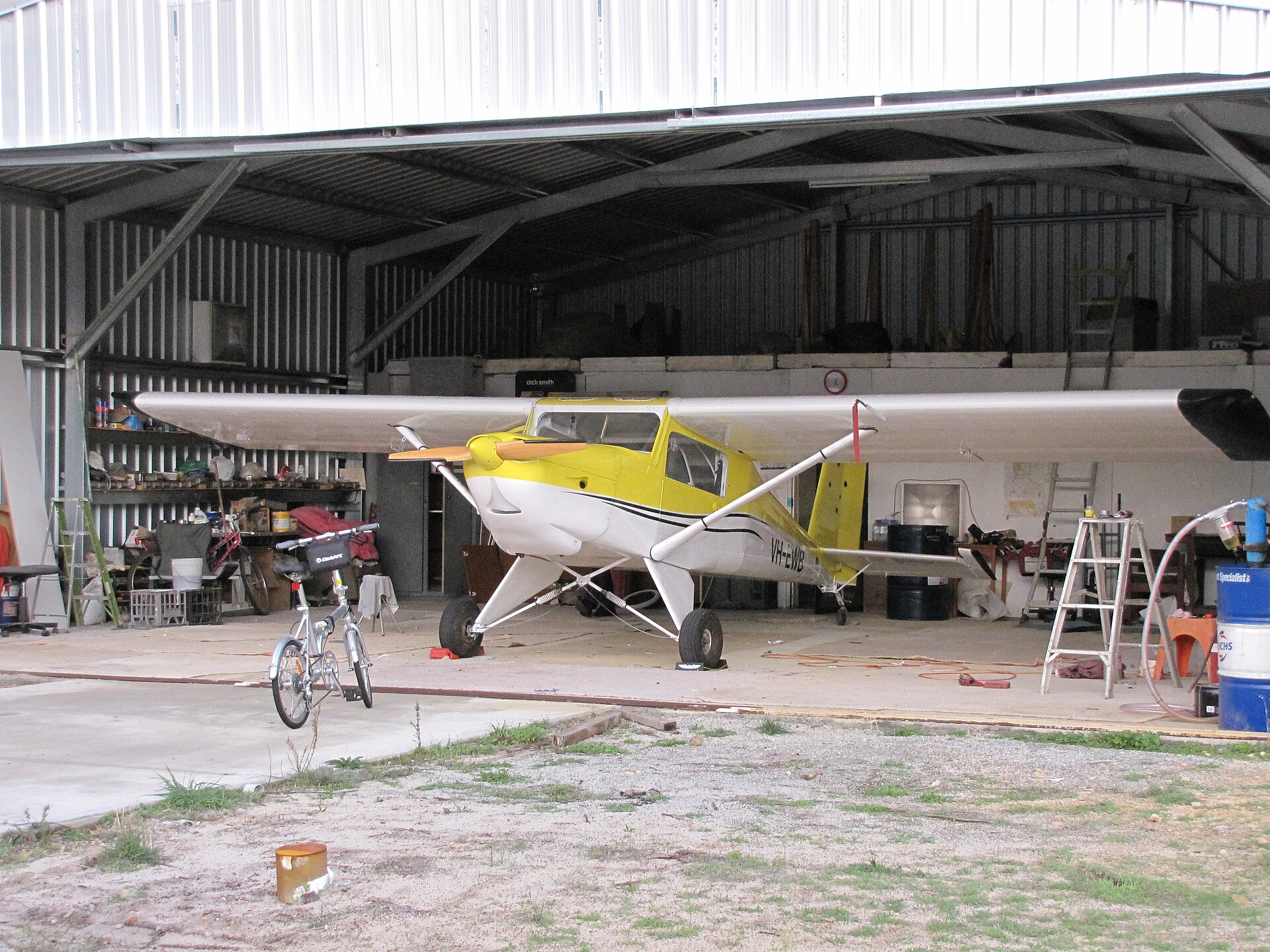
    Photo (a Murphy Rebel in its hangar): Ken Hodge / Wikimedia Commons, CC BY 2.0

  • NASA’s quiet supersonic X-59 flies across America

    NASA’s quiet supersonic X-59 flies across America

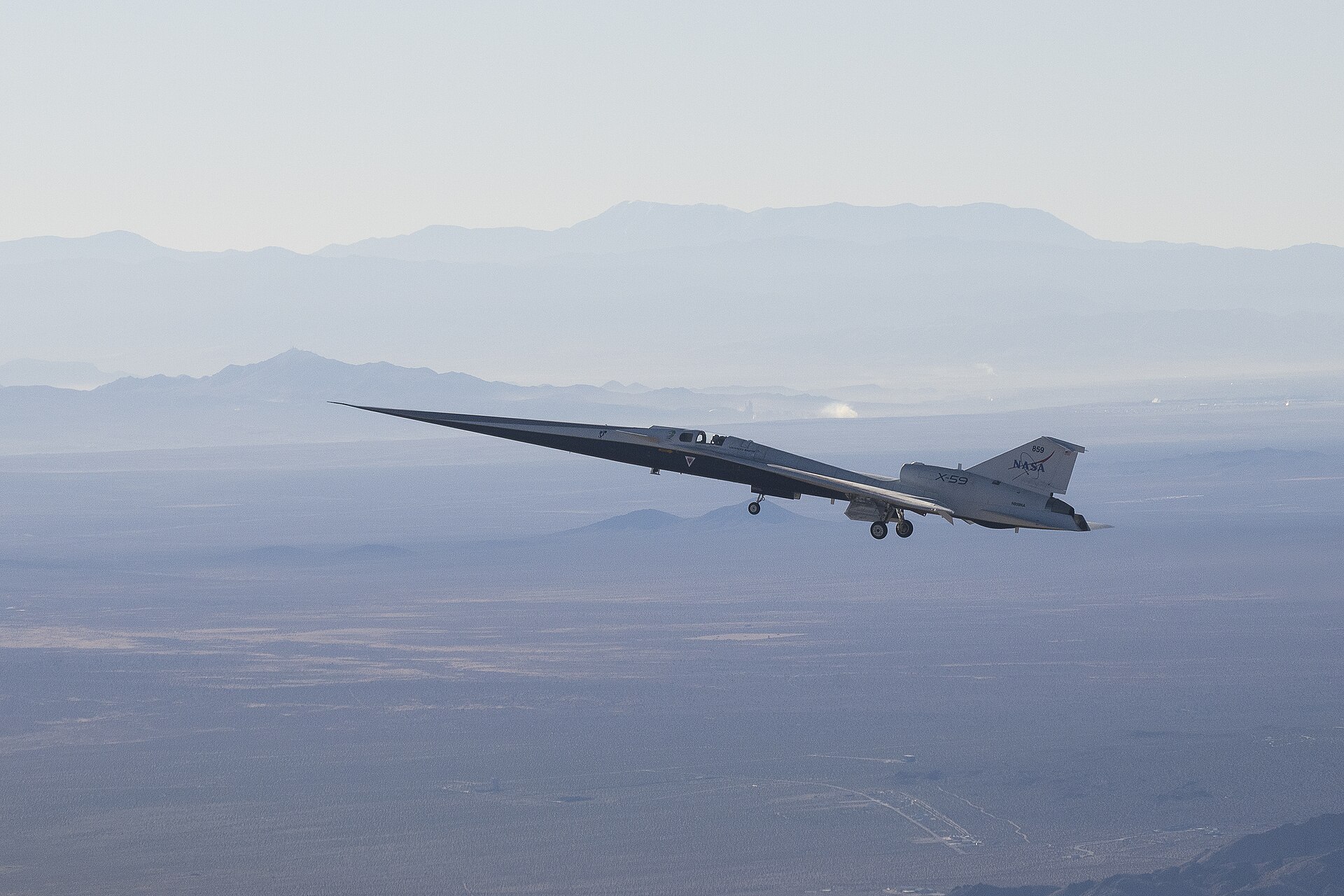
    NASA’s X-59 has left the test range for a road trip. On 28 October 2026, exactly a year after its first flight, the long-nosed supersonic jet set off from Edwards Air Force Base in California for Kennedy Space Center in Florida.

    It hopped across the country with stops in El Paso and Fort Worth in Texas, then Birmingham in Alabama. The leg from Fort Worth to Birmingham alone was 539 nautical miles. NASA test pilots Nils Larson and Jim Less flew it, with F-15 and F/A-18 chase planes alongside.

    In Florida the X-59 goes on static display at NASA’s MAX POWER aerospace expo and air show on 7 and 8 November.

    Its first year was busy. The first flight lasted 67 minutes and reached 12,000 ft and 230 mph. Since then it has flown more than 40 times, reaching Mach 1.53 and over 56,000 ft.

    The whole point of the X-59 is a soft supersonic “thump” instead of a bang. Next come acoustic tests, then flights over selected communities to hear what people think. The results go to the regulators who will decide whether supersonic flight over land could be allowed one day.

    Sources: AVweb (Matt Ryan), 29 October 2026; AIN (Kerry Lynch), 30 October 2026

    Photo (the X-59 on its first flight): NASA Armstrong Flight Research Center / Wikimedia Commons, public domain
  • Vickers wants to build a 235-knot four-seater

    Vickers Aircraft, the company behind the WAVE amphibian, has announced a second aircraft: the FAST4. It’s a four-seat, low-wing piston single with a carbon-fibre airframe, and the target is a top cruise speed of 235 knots.

    The numbers on paper look tempting: a range of 1,300 nautical miles, 102 gallons of fuel and a useful load of 1,520 lb, enough for four adults with full tanks. The wings fold, so it should need about half the hangar space. Vickers also plans IFR equipment and a BRS whole-aircraft parachute, and is looking at Garmin’s AXIS displays and Autoland.

    Some big pieces are still missing, though. No engine has been chosen yet, there’s no price, and there’s no date for a first flight or for production. Vickers wants to build both its aircraft in the US and is talking to several states about a factory site.

    The FAST4 will share parts and systems with the WAVE, which finished flight testing in 2023 and is now going through certification. Vickers also hopes the new FAA MOSAIC rules will help.

    235 knots from a piston four-seater would be seriously quick. We’ll believe it when we see it fly, but we’d really like to.

    Source: AVweb (Matt Ryan), 29 October 2026

  • Maxwell plans a hybrid amphibian for remote places

    Maxwell plans a hybrid amphibian for remote places

    Maxwell Aircraft from Florida has shown plans for a hybrid amphibian, the M1 Hybrid Cargo, or M1-HC for short. It’s meant to carry 2,000 lb of cargo over 1,000 nautical miles, from water or from rough strips.

    The clever part is the powertrain. For take-off and the first part of the climb, electric motors help out and the system can deliver up to 1,500 hp. In cruise it needs only about 300 hp in total, which comes from compression-ignition engines running on Jet A.

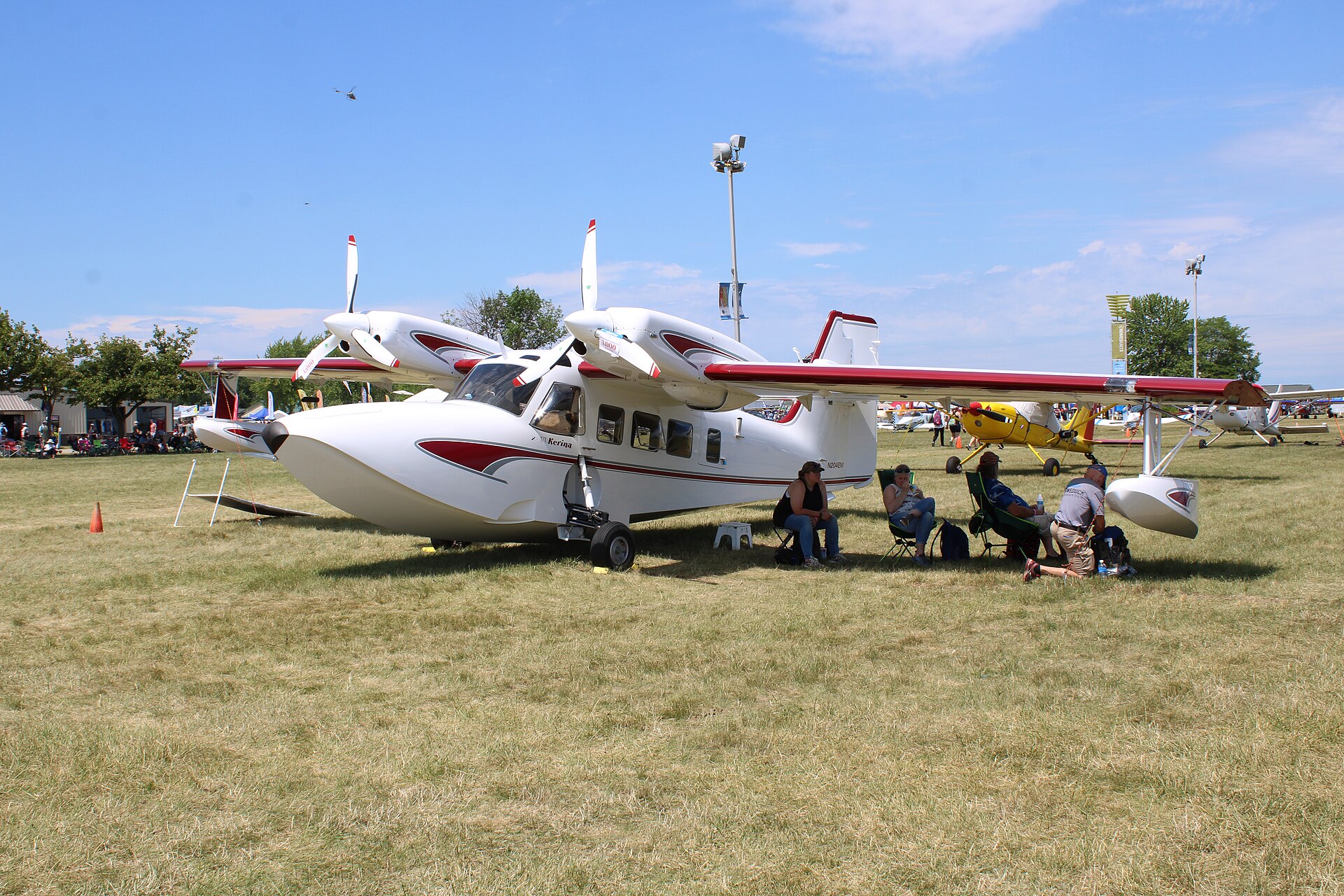
    The airframe is based on the Gweduck, a composite seaplane that takes its cues from the old Grumman flying boats. Maxwell builds it from carbon fibre and Kevlar, and the cargo version gets a five-foot-wide door.

    The first airframes have been built and are heading for final assembly. Flight testing is planned for 2027, but there’s no date yet for certification or deliveries.

    Maxwell is aiming at remote communities, island hops, disaster relief and government work: places where a long runway is a luxury but there’s usually water nearby.

    Source: AVweb (Matt Ryan), 29 October 2026

    Photo (the Gweduck that the M1 is based on): ZLEA / Wikimedia Commons, CC BY-SA 4.0

  • Denver pilots give up their fight over an 82% hangar rent rise

    Denver pilots give up their fight over an 82% hangar rent rise

    Hangar tenants at Centennial Airport near Denver have dropped their lawsuit against the airport’s FBO, Denver jetCenter. The fight was over a rent rise of 82 percent that took effect in April 2026: a T-hangar went from $660 to $1,200 a month.

    The pilots tried two routes. Their association, CAPA, asked a state court for an injunction, and tenants also filed a complaint with the FAA. The FAA rejected the complaint on 20 August and refused to reconsider on 7 October. Mediation in the court case went nowhere, and every offer from the FBO kept the $1,200 rate.

    With legal fees past $60,000, the group called it a day. The leases let the rent rise by 3 percent, by inflation or by “market conditions”, whichever is highest, and the FBO leaned on the last one. Inflation was 3.7 percent over the year to September.

    More than a third of the FBO’s 45 T-hangars already stand empty. AOPA’s general counsel said they were “sorely disappointed” that the FAA wouldn’t take another look.

    Hangar rents are going up at other airports too, so this case has been watched well beyond Colorado.

    Source: AOPA (Jay Wiles), 29 October 2026

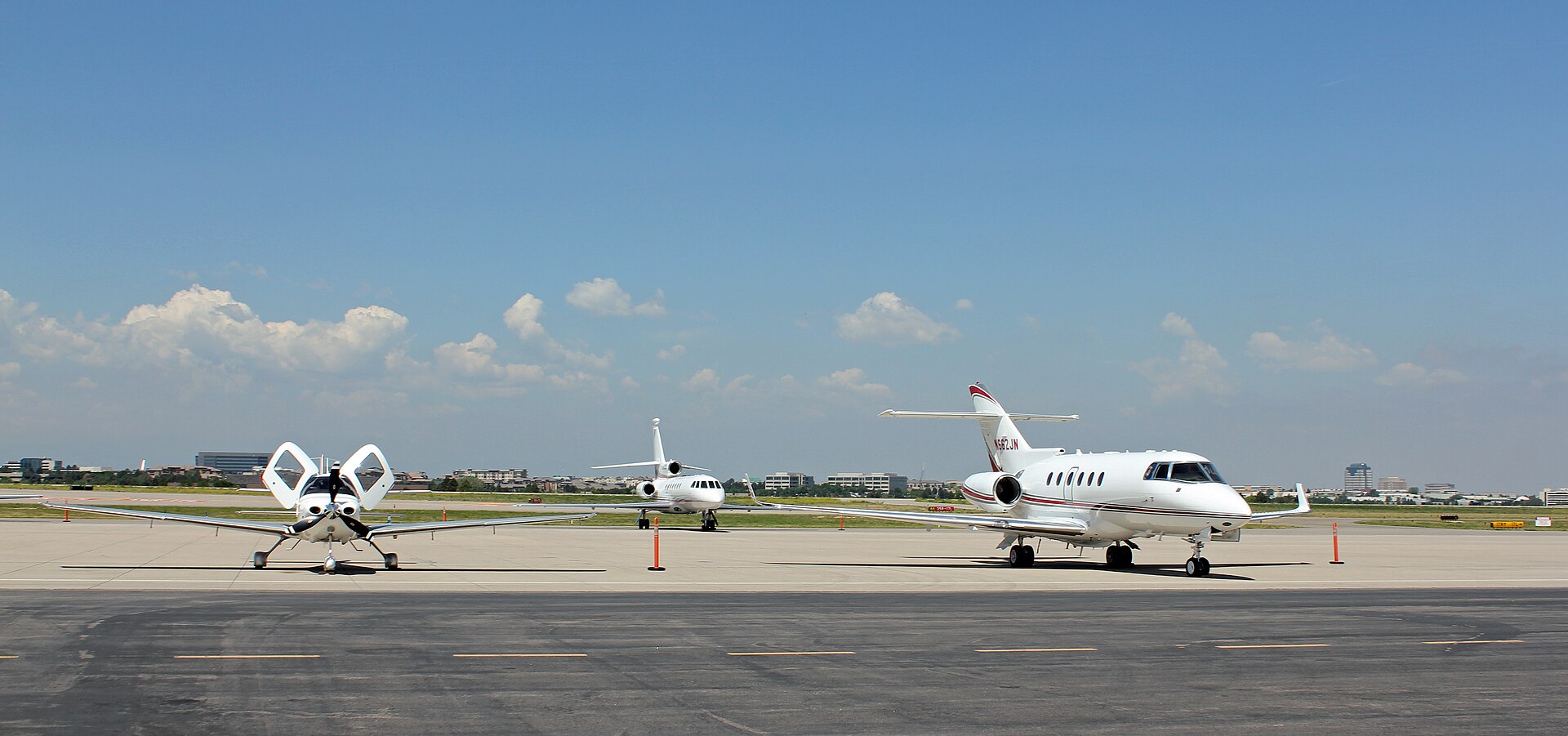
    Photo (the apron at Centennial Airport): Jeffrey Beall / Wikimedia Commons, CC BY 3.0

  • Civil Air Patrol orders 21 new Cessnas

    Civil Air Patrol orders 21 new Cessnas

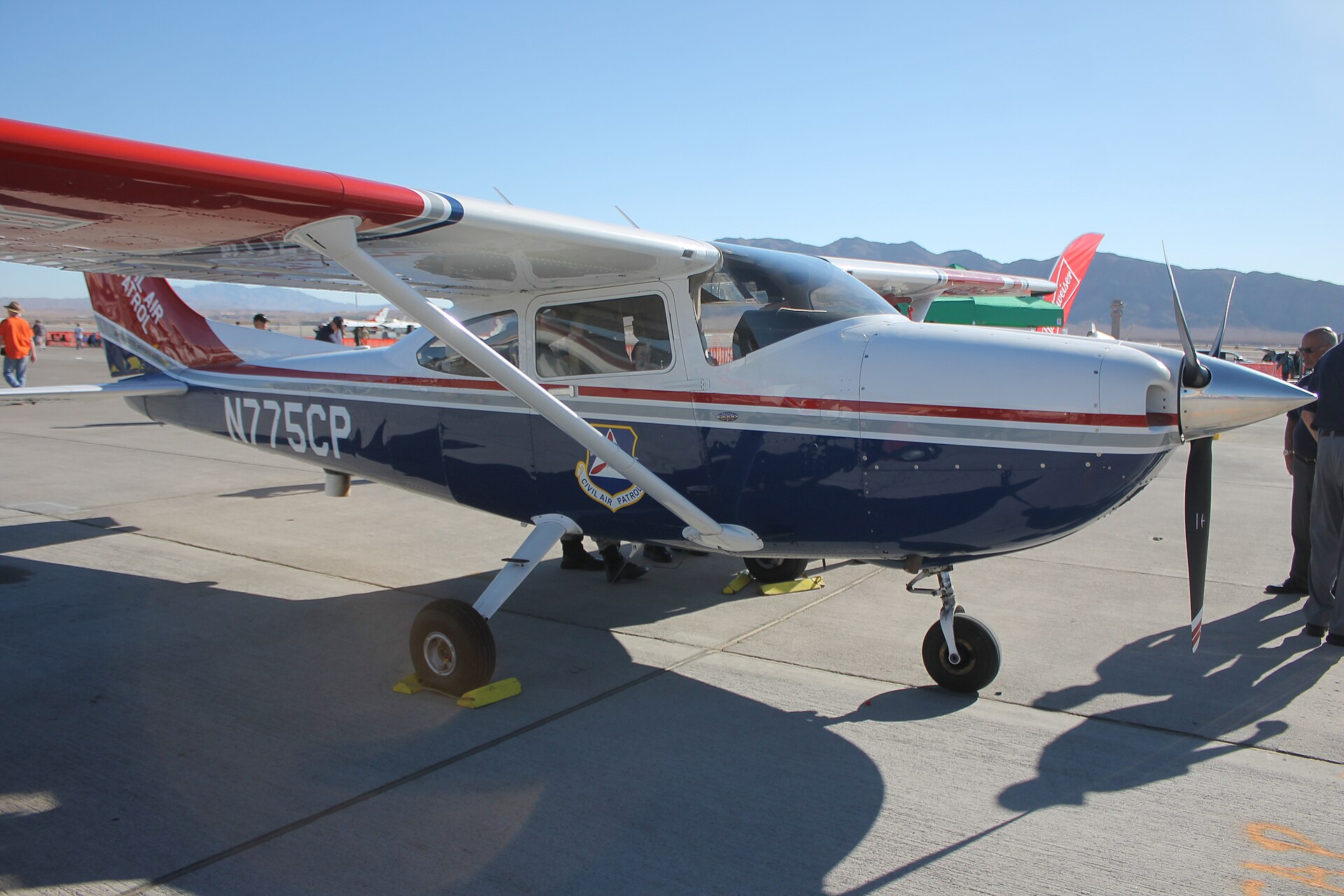
    The US Civil Air Patrol is shopping again. Textron Aviation announced an order for 21 piston singles: seven Cessna 172 Skyhawks, eleven 182 Skylanes, two turbocharged T182Ts and one Turbo Stationair HD.

    CAP already flies more than 500 single-engine aircraft. The new ones will be used for cadet orientation flights and training, search and rescue, aerial photography, emergency response and moving people and kit around. Deliveries should wrap up in 2027.

    Source: AVweb (Matt Ryan), 22 October 2026

    Photo: Noah Wulf / Wikimedia Commons, CC BY-SA 4.0