Author: Tailwind

  • Ten years of the Cirrus Vision Jet

    Ten years of the Cirrus Vision Jet

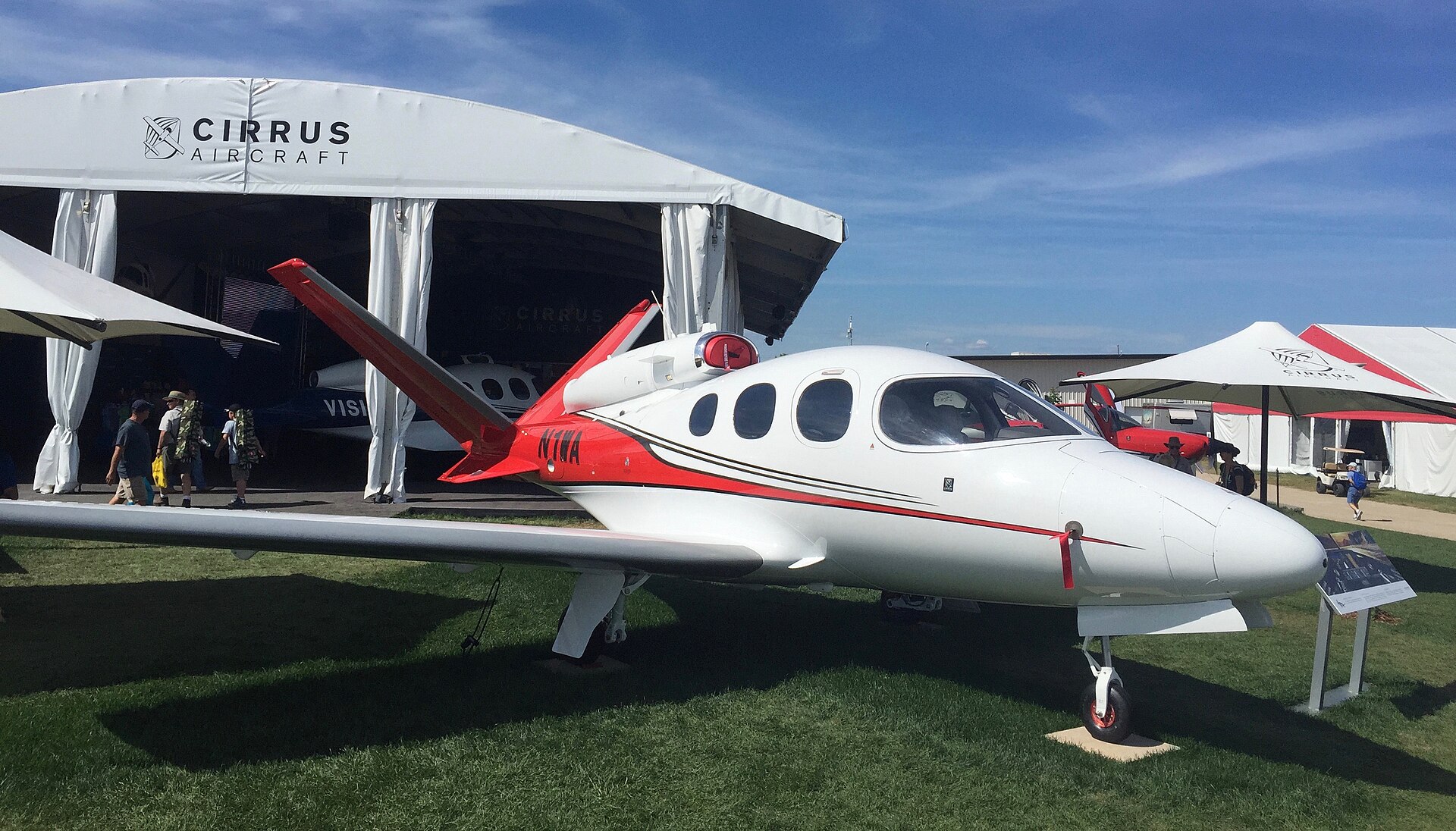
    Happy birthday, little jet. It’s been a decade since the Vision Jet got its FAA type certificate in 2016, and Cirrus celebrated at NBAA-BACE. More than 800 have been delivered so far, which Cirrus says makes it the best-selling jet in general aviation.

    The current G3 version cruises at up to 317 knots true airspeed, goes up to FL310 and seats six plus one. Cirrus also talked up its type rating training in Knoxville, recurrent training in Scottsdale and its Cirrus IQ connected-aircraft app.

    Source: Professional Pilot, 20 October 2026

    Photo: Joey1niner / Wikimedia Commons, CC BY-SA 4.0

  • Cirrus grows its Grand Forks factory

    Cirrus grows its Grand Forks factory

    More composite parts need more room. Cirrus is adding 30,000 sq ft to its plant in Grand Forks, North Dakota, so it can keep up with current and planned production of the SR-series pistons and the Vision Jet.

    The company has also opened a new warehouse in Duluth, Minnesota, the town where Cirrus has its headquarters. Busy factories are usually a good sign for the rest of us: it means people are still buying new aeroplanes.

    Source: AIN (Matt Thurber), 18 October 2026

    Photo (a Cirrus SR20): Alan Wilson / Wikimedia Commons, CC BY-SA 2.0

  • Can I fly on this pill? The FAA now has a search tool

    Every pilot knows the question: can I take this and still fly? The FAA has launched MedGuide, an online tool where pilots and air traffic controllers can look up medical conditions, prescription drugs and over-the-counter medicines.

    It was built by the FAA’s Office of Aerospace Medicine, and it tells you whether a medicine is acceptable and whether there’s a waiting period. The basic rule is simple: when you start something new, you usually wait 48 hours before going back to safety-related duties.

    The tool also covers later doses and how long to wait after you stop taking a medicine. For now it only lists approved medicines. Conditionally acceptable and banned ones are due in later updates.

    The FAA is clear that MedGuide shouldn’t be the only basis for an aeromedical decision. If in doubt, still ask your aviation medical examiner.

    European pilots work under different rules, but the idea is worth copying: a quick, searchable list beats guessing in the queue at the pharmacy.

    Source: AVweb (Matt Ryan), 16 October 2026

  • Swift 100R unleaded avgas wins more approvals in Europe

    Swift 100R unleaded avgas wins more approvals in Europe

    Good news if you’d like to fly lead-free in Europe. European regulators have accepted the FAA’s expanded lists of piston aircraft and engines that are approved to run on Swift’s 100R unleaded avgas. The announcement came on 12 October from Swift Fuel GmbH, Swift’s joint venture partner in Germany.

    Leaded 100LL is still allowed in Europe for now, but every approval like this makes the switch to unleaded feel a bit closer.

    Source: Aviation Week (Bill Carey), 14 October 2026

    Photo (a Cessna 172, the kind of plane that burns avgas every weekend): Blashblam / Wikimedia Commons, CC BY-SA 3.0

  • EASA grounds the Elixir fleet after a fatal crash

    EASA grounds the Elixir fleet after a fatal crash

    On 2 October EASA issued an emergency airworthiness directive, 2026-0191-E, which stopped all flights of Elixir aircraft from 3 October. It came one day after a fatal accident involving one of the factory’s own aircraft at Rochefort in France.

    EASA skipped its usual consultation process, saying its safety assessment called for immediate action. France’s BEA is investigating the cause, and there’s no date yet for lifting the ban. The French two-seater only got its FAA certification in July 2025, and US deliveries started this spring.

    Source: AVweb (Matt Ryan), 5 October 2026

    Photo: Alan Wilson / Wikimedia Commons, CC BY-SA 2.0